Unlocking Creativity in Your Podcast Studio.
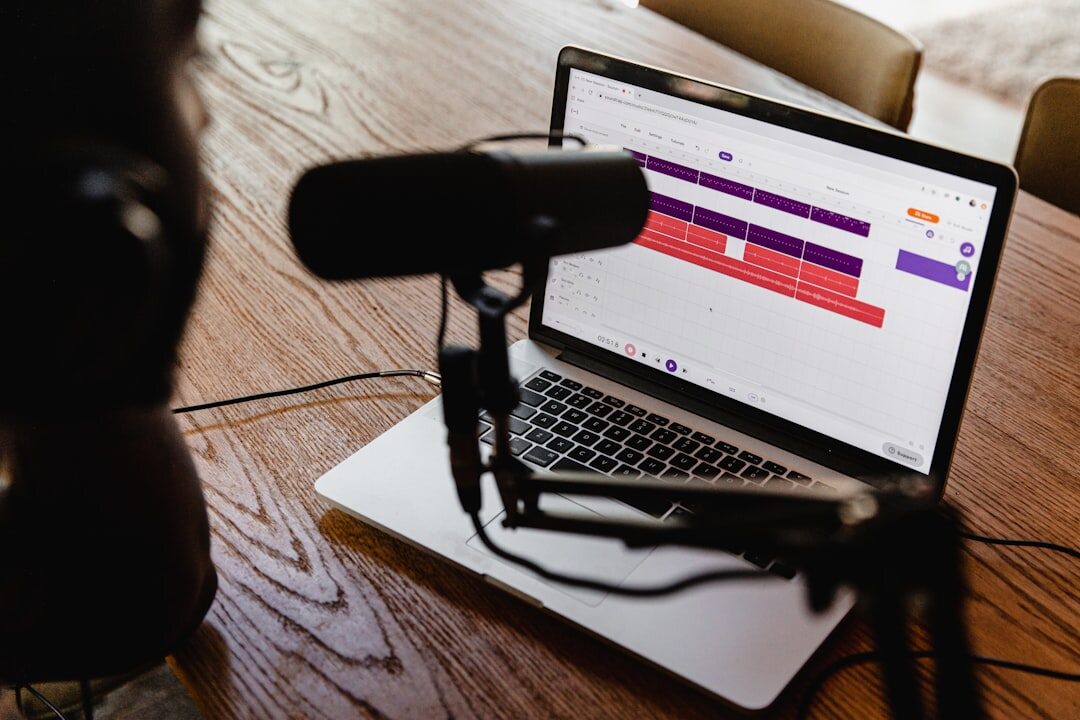
Stepping into a podcast studio can feel like entering a blank canvas, full of potential but waiting for the right spark to bring it to life. At Unityzora, we see creators every week who arrive with solid concepts yet struggle to make their episodes stand out in a crowded field. The key often lies not in expensive gear but in simple shifts that open up new ways of thinking and recording.
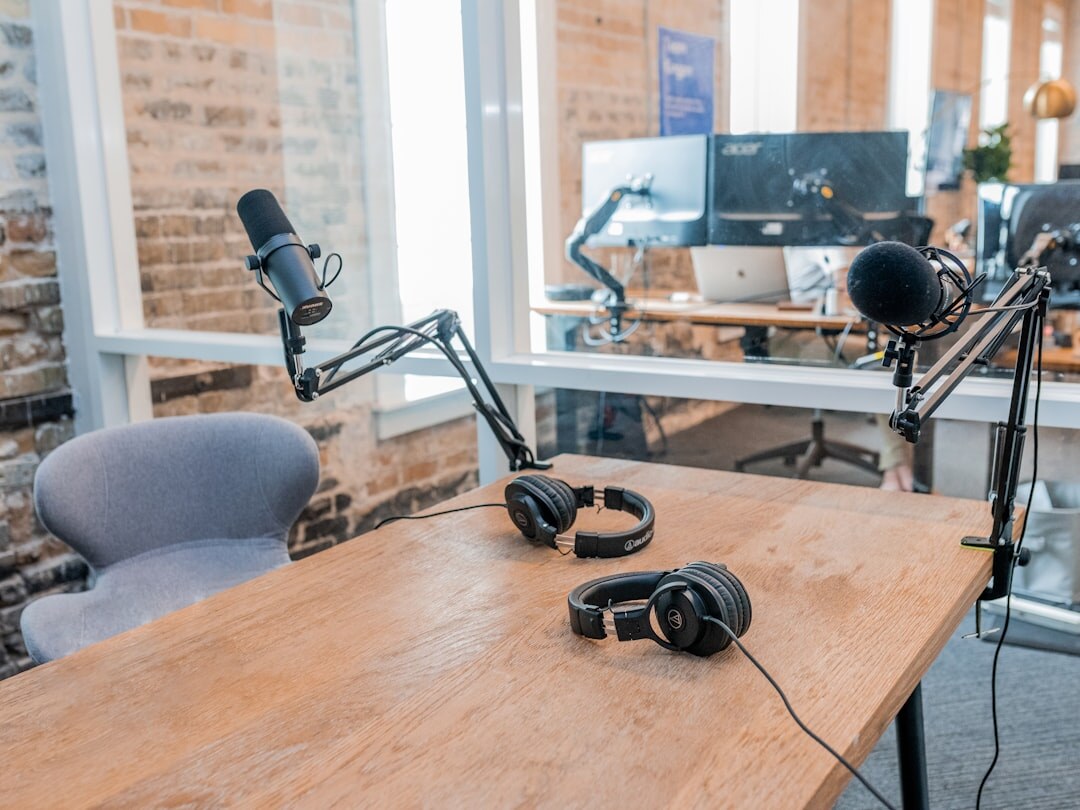
One effective approach starts with the physical layout. Rearrange your seating or add movable panels so the space feels less rigid. A round table setup encourages natural back and forth, while a more open area with standing options can inject energy into lively discussions. Small changes like this help guests relax and share stories they might otherwise hold back.
Lighting and Atmosphere Matter
Lighting plays a bigger role than many realize. Harsh overhead lights can make everyone look tense on camera, which carries over into the audio energy. Swap in warmer lamps or colored accents that match the mood of the episode. For a storytelling show, try low, soft glows that mimic a fireside chat. This visual cue helps both host and guest settle into a more open mindset.
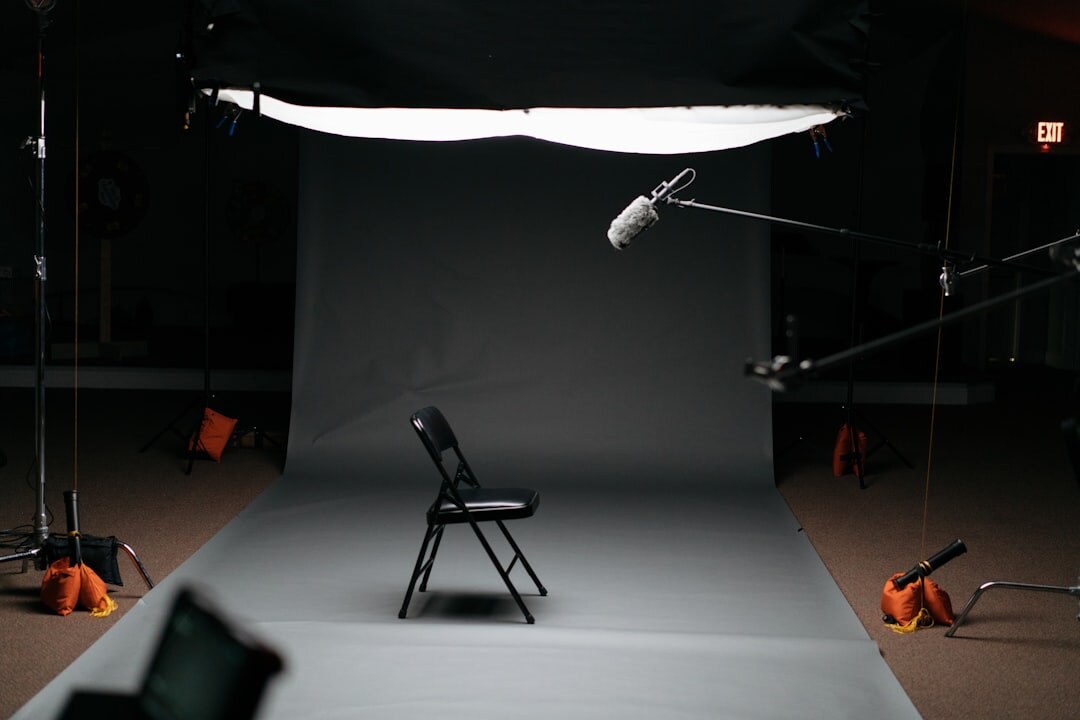
Sound Design as a Creative Tool
Beyond basic soundproofing, think about layering subtle audio elements during recording. Keep a small collection of props nearby, such as fabric swatches or wooden blocks, to create unique foley sounds that match your topic. These additions add texture without overpowering the voices. Many Unityzora clients report that experimenting with these extras leads to episodes that feel more immersive and memorable.
Another layer comes from guest interaction techniques. Instead of a straight question and answer format, try starting with a shared activity like sketching ideas on a whiteboard or tasting samples if the topic allows. The change in pace breaks routine patterns and often surfaces unexpected insights that become the heart of the episode.
Building a Routine That Inspires
Consistency in preparation helps, yet leaving room for spontaneity is just as important. Set aside time before each session to review notes loosely rather than scripting every line. This balance keeps the conversation flowing while still hitting key points. Over time, the studio itself becomes a place where ideas flow more freely because the environment supports both structure and freedom.

Feedback loops close the creative cycle. After wrapping, listen back with fresh ears or share a rough cut with a trusted listener outside your usual circle. Their reactions highlight moments where energy dipped or creativity peaked, guiding adjustments for the next round. At Unityzora, we encourage this practice because it turns each episode into a stepping stone for stronger future work.
Creativity grows when the studio feels like an extension of the ideas rather than a box that holds them in.
Over weeks and months, these habits compound. What begins as a few tweaks to the room or schedule becomes a signature style that listeners recognize and return for. The studio transforms from a simple recording spot into a true creative hub where new concepts take shape naturally.
Reading the stories behind each episode adds so much depth to what I already love listening to.

Karabo Mokoena
Reader, Pretoria