Studio Secrets for Crystal Clear Recordings.
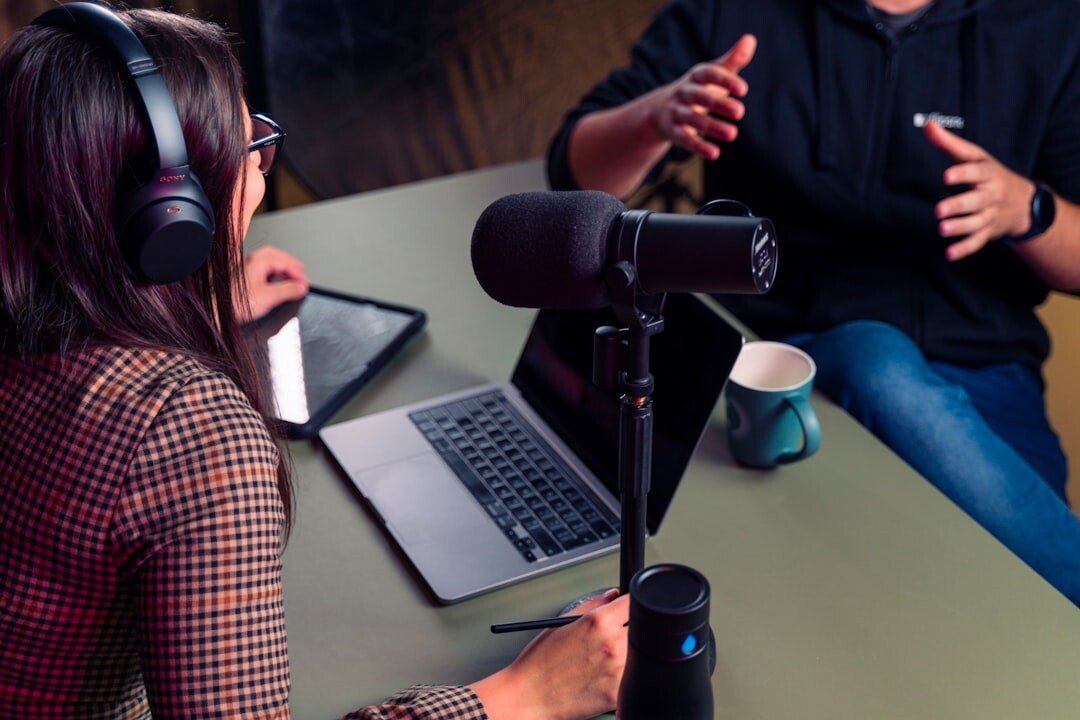
Getting crystal clear recordings starts long before you hit the record button. At Unityzora we have spent years refining our approach to podcast production so that every episode sounds polished and engaging from the first word. The difference between an average recording and a standout one often comes down to small details that add up over time.
Selecting the Right Microphone for Your Voice
Every voice has its own character and the microphone you choose can either highlight or hide those qualities. Dynamic mics work well in untreated rooms because they reject background noise but condenser models capture more nuance if your space is properly prepared. Testing several options during a short session helps you find the one that flatters your tone without adding unwanted hiss or harshness.
Positioning Matters More Than You Think
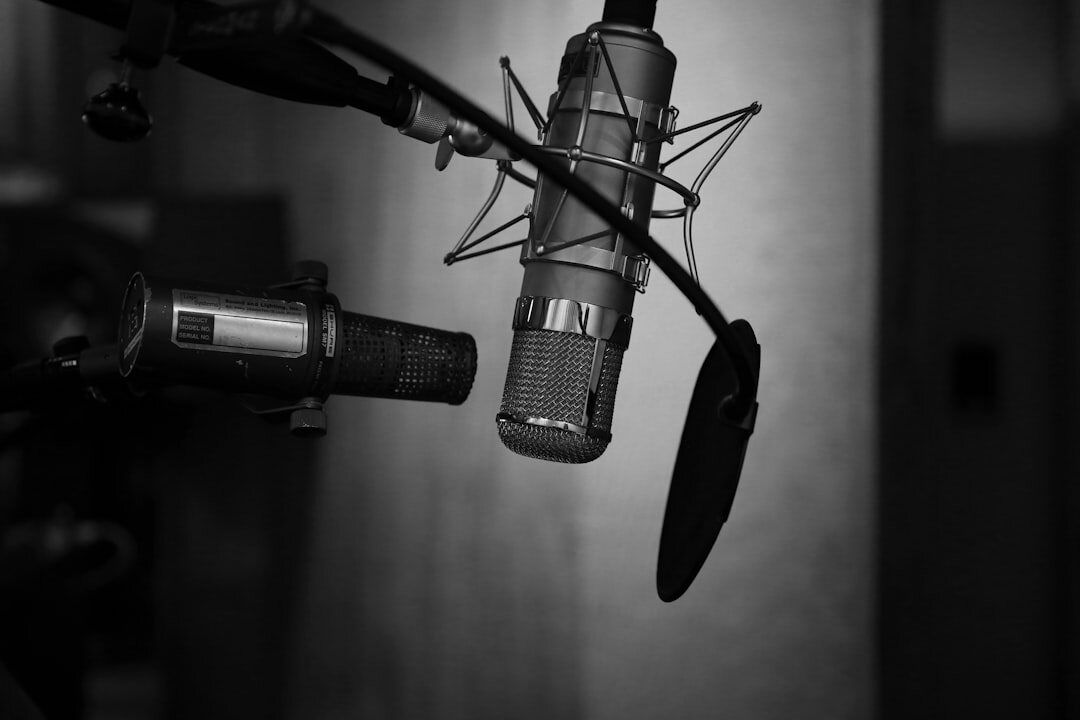
Place the microphone about six to eight inches from your mouth and slightly off to the side to avoid plosives. Speaking directly into the center often creates popping sounds that editing cannot fully remove. A simple pop filter placed between you and the mic solves most of these issues while keeping your delivery natural.
Acoustic Treatment Without Breaking the Bank
Hard surfaces create echoes that make speech sound distant and unprofessional. Adding thick curtains, bookshelves filled with volumes, and strategically placed absorption panels can transform a regular room into a functional recording space. Focus first on the wall directly behind the microphone and the ceiling above your head for the biggest improvement.

Simple Tests to Check Your Room
Record a short voice sample then play it back through headphones. Listen for any flutter or ringing that appears when you speak certain consonants. Walking around the room while clapping your hands reveals dead spots or overly live areas that need attention before your next session.
Recording Habits That Save Hours in Post
Always record a short slate at the beginning of each take stating the episode number and date. This simple step prevents confusion when you have multiple files open at once. Keep a glass of water nearby and pause briefly if you need to clear your throat rather than pushing through and creating awkward edits later.
Editing Techniques for Professional Polish
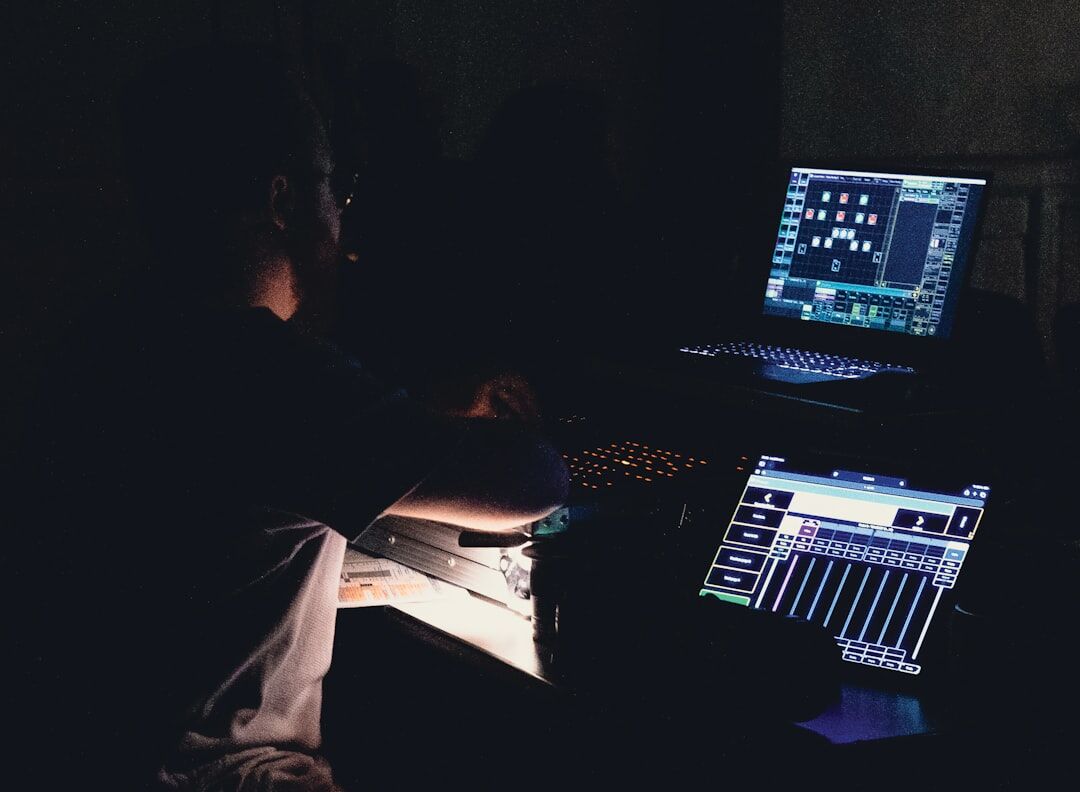
Start by removing obvious breaths and mouth noises but leave enough natural pauses so the conversation still feels alive. Use subtle noise reduction only on sections that truly need it rather than applying it across the entire track. Gentle compression and a light high-pass filter around 80 Hz usually clean up rumble without thinning the voice.
Consistency in levels across episodes builds listener trust faster than any fancy intro music ever could.
Final Checks Before Export
Listen to the full episode on at least two different speaker systems including phone earbuds and a car stereo. What sounds balanced on studio monitors can sometimes disappear or become harsh elsewhere. Making these small adjustments ensures your audience hears the same clear quality no matter how they tune in.
Over time these habits become second nature and your recordings will consistently stand out in a crowded podcast landscape. The goal is never perfection on the first take but rather building a reliable workflow that delivers excellent results with every session.
Reading the stories behind each episode adds so much depth to what I already love listening to.

Karabo Mokoena
Reader, Pretoria