Building a Community Around Your Podcast.

Starting a podcast is exciting, but keeping listeners engaged over time requires more than great episodes. Building a community turns casual listeners into dedicated fans who return week after week and even help spread the word. At Unityzora we see this shift happen when creators focus on genuine interactions rather than just downloads.
Why Community Matters for Podcasts
A strong community creates loyalty that algorithms cannot replicate. Listeners who feel part of something bigger are more likely to share episodes, leave reviews, and support you through tough creative periods. They also provide valuable feedback that shapes future content in ways you might not expect.
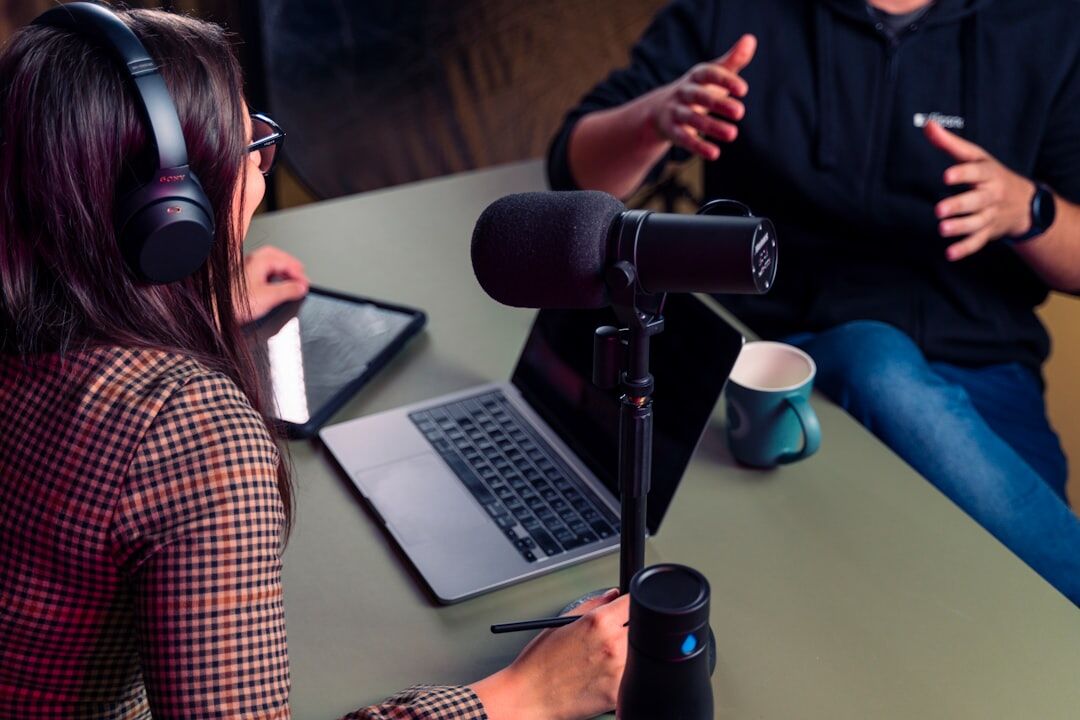
Think about your favorite shows. The ones that last often have active forums or social groups where fans debate topics from the latest episode. This back-and-forth keeps the conversation alive between releases and gives you fresh ideas for upcoming shows.
Start Small with Existing Platforms
You do not need a custom app right away. Begin on platforms your audience already uses, such as Discord, Facebook Groups, or even simple email newsletters. Set clear rules for respectful discussion and post regular prompts that tie back to recent episodes. For example, ask listeners to share their own stories related to a topic you covered.
Host Live Sessions to Build Connection
Live Q and A sessions or behind-the-scenes chats help humanize you and your co-hosts. Use simple tools like Instagram Live or Zoom to answer questions in real time. Record these moments and share clips as bonus content. Over time these events become highlights that members look forward to each month.

Consistency is key here. Pick a regular day and time so people can plan around it. Even if attendance starts small, the personal touch builds trust faster than polished episodes alone.
Encourage User-Generated Content
Invite listeners to submit voice messages, questions, or even short stories that you can feature in future episodes. This makes them feel like co-creators rather than passive consumers. Highlight their contributions on air and tag them on social media to amplify the recognition.
Community grows when people see their input valued and celebrated.
Another effective approach is creating challenges or themed weeks where fans contribute ideas. For instance, a history podcast might run a month focused on listener-submitted family stories. These activities spark organic sharing and bring new people into the fold.

Measure Success Beyond Numbers
Track engagement metrics like comment volume, event attendance, and repeat participation rather than focusing solely on download counts. These qualitative signs often predict long-term growth better than raw statistics. When community members start organizing their own meetups or spin-off discussions, you know the foundation is solid.
At Unityzora we recommend reviewing community feedback monthly and adjusting your approach based on what resonates. Small tweaks, such as adding more listener spotlights or varying live formats, keep things fresh and inclusive. Over months this steady effort transforms a podcast into a vibrant hub that listeners feel proud to belong to.
Reading the stories behind each episode adds so much depth to what I already love listening to.

Karabo Mokoena
Reader, Pretoria